
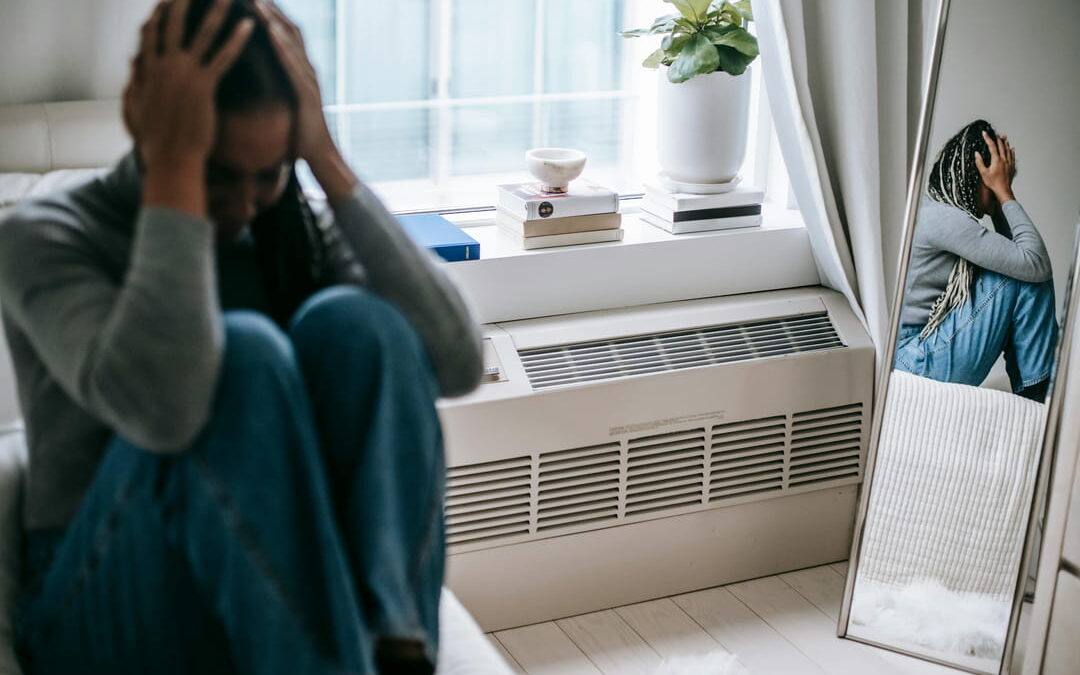
Anxiety has a way of showing up fast. Your heart races, your thoughts spiral, and suddenly even small stressors feel overwhelming. In stressful moments, your nervous system is doing exactly what it’s designed to do: protect you. The problem is that modern stress often isn’t dangerous, but your body reacts as if it were.
Happily, there are practical, in-the-moment tools you can use to calm anxiety and help your nervous system settle.
Start with Your Breath
You’ve probably heard “just take a deep breath,” and while that advice can feel dismissive, breathing truly is one of the fastest ways to signal safety to your body, if done gently. Instead of forcing big inhales, try to slow your exhale so it’s longer than your inhale. You can do this by counting to four while inhaling, and down from six while exhaling.
Longer exhales activate the parasympathetic nervous system, which helps reduce the body’s natural fight-or-flight response.
Ground Yourself in the Present Moment
Anxiety often pulls your mind into the future: what might happen or what could go wrong. Grounding brings you back to what’s actually happening. Simple grounding techniques include:
- Naming five things you can see, four you can feel, three you can hear
- Pressing your feet firmly into the floor and noticing the support beneath you
- Holding a cold drink or textured object and focusing on the sensation
These techniques help interrupt anxious thought loops and remind your brain that you’re safe in the present moment.
Relax Your Body to Calm Your Mind
Your body and mind communicate constantly. When your body is tense, your brain assumes danger. Softening physical tension can reduce anxiety more quickly than trying to think your way out of it. Try dropping your shoulders away from your ears, gently unclenching your jaw or tongue, or stretching your hands, neck, or calves. Even small physical shifts can help your nervous system downshift.
Limit Stimulation When Possible
During stressful moments, your nervous system is already overloaded. Reducing extra stimulation, even briefly, can make a big difference. If you can:
- Step outside for fresh air
- Lower background noise or screen brightness
- Pause multitasking and focus on one thing
You’re not avoiding stress; you’re giving your system space to regulate so you can respond more effectively.
Let the Anxiety Move Through You
One common mistake is trying to suppress or fight anxiety. This often makes it stronger. Anxiety naturally rises and falls like a wave when it’s allowed to move through the body. You might try:
- Noticing where you sense anxiety physically
- Rating its intensity and feeling it change
- Reminding yourself that anxiety peaks and then decreases
Allowing the sensation without panic helps shorten its duration.
Prepare For Stressful Moments
Preparing ahead of time can make stressful moments feel more manageable. Keep these practices in the back of your mind to use the next time you’re feeling stressed or anxious:
- A grounding object (stone, ring, fidget spinner, etc.)
- A short breathing or body scan exercise
- A playlist or sound that feels soothing
- A reminder note with supportive phrases
Having tools ready reduces the sense of helplessness when anxiety shows up.
Anxiety Is a Signal, Not a Failure
Feeling anxious during stressful moments doesn’t mean you’re weak or broken; it means your nervous system is doing its job a little too well. Learning to calm anxiety is less about eliminating stress and more about building trust with your body. With practice, these techniques become easier to access, even in high-pressure situations.
If anxiety feels frequent, intense, or hard to manage on your own, anxiety therapy can help you develop personalized tools and address the deeper patterns behind your stress, so calming your anxiety feels more possible and less exhausting. Get in touch to schedule a free consultation and talk about how I might help you manage your anxiety.